
TOP CSIR NET
CSIR NET Chemical Sciences Syllabus
North India's premier coaching academy. Expert faculty, comprehensive study material and weekly mock tests.
CSIR-UGC National Eligibility Test (NET)
for Junior Research
Fellowship and Lecturer-ship
Inorganic Chemistry
1. Chemical periodicity
2. Structure and bonding in homo- and heteronuclear molecules, including shapes of molecules (VSEPR Theory).
3. Concepts of acids and bases, Hard-Soft acid base concept, Non-aqueous solvents.
4. Main group elements and their compounds: Allotropy, synthesis, structure and bonding, industrial importance of the compounds.
5. Transition elements and coordination compounds: structure, bonding theories, spectral and magnetic properties, reaction mechanisms.
6. Inner transition elements: spectral and magnetic properties, redox chemistry, analytical applications.
7. Organometallic compounds: synthesis, bonding and structure, and reactivity. Organometallics in homogeneous catalysis.
8. Cages and metal clusters.
9. Analytical chemistry- separation, spectroscopic, electro- and thermoanalytical methods.
10. Bioinorganic chemistry: photosystems, porphyrins, metalloenzymes, oxygen transport, electron- transfer reactions; nitrogen fixation, metal complexes in medicine.
11. Characterisation of inorganic compounds by IR, Raman, NMR, EPR, Mössbauer, UV-vis, NQR, MS, electron spectroscopy and microscopic techniques.
12. Nuclear chemistry: nuclear reactions, fission and fusion, radio-analytical techniques and activation analysis.
Physical Chemistry:
1. Basic principles of quantum mechanics: Postulates; operator algebra; exactly- solvable systems: particle-in-a-box, harmonic oscillator and the hydrogen atom, including shapes of atomic orbitals; orbital and spin angular momenta; tunneling.
2. Approximate methods of quantum mechanics: Variational principle; perturbation theory up to second order in energy; applications.
3. Atomic structure and spectroscopy; term symbols; many-electron systems and antisymmetry principle.
4. Chemical bonding in diatomics; elementary concepts of MO and VB theories; Huckel theory for conjugated π-electron systems.
5. Chemical applications of group theory; symmetry elements; point groups; character tables; selection rules.
6. Molecular spectroscopy: Rotational and vibrational spectra of diatomic molecules; electronic spectra; IR and Raman activities – selection rules; basic principles of magnetic resonance.
7. Chemical thermodynamics: Laws, state and path functions and their applications; thermodynamic description of various types of processes; Maxwell’s relations; spontaneity and equilibria; temperature and pressure dependence of thermodynamic quantities; Le Chatelier principle; elementary description of phase transitions; phase equilibria and phase rule; thermodynamics of ideal and non-ideal gases, and solutions.
8. Statistical thermodynamics: Boltzmann distribution; kinetic theory of gases; partition functions and their relation to thermodynamic quantities – calculations for model systems.
9. Electrochemistry: Nernst equation, redox systems, electrochemical cells; Debye- Huckel theory; electrolytic conductance – Kohlrausch’s law and its applications; ionic equilibria; conductometric and potentiometric titrations.
10. Chemical kinetics: Empirical rate laws and temperature dependence; complex reactions; steady state approximation; determination of reaction mechanisms; collision and transition state theories of rate constants; unimolecular reactions; enzyme kinetics; salt effects; homogeneous catalysis; photochemical reactions.
11. Colloids and surfaces: Stability and properties of colloids; isotherms and surface area; heterogeneous catalysis.
12. Solid state: Crystal structures; Bragg’s law and applications; band structure of solids.
13. Polymer chemistry: Molar masses; kinetics of polymerization.
14. Data analysis: Mean and standard deviation; absolute and relative errors; linear regression; covariance and correlation coefficient.
Organic Chemistry
1. IUPAC nomenclature of organic molecules including regio- and stereoisomers.
2. Principles of stereochemistry: Configurational and conformational isomerism in acyclic and cyclic compounds; stereogenicity, stereoselectivity, enantioselectivity, diastereoselectivity and asymmetric induction.
3. Aromaticity: Benzenoid and non-benzenoid compounds – generation and reactions.
4. Organic reactive intermediates: Generation, stability and reactivity of carbocations, carbanions, free radicals, carbenes, benzynes and nitrenes.
5. Organic reaction mechanisms involving addition, elimination and substitution reactions with electrophilic, nucleophilic or radical species. Determination of reaction pathways.
6. Common named reactions and rearrangements – applications in organic synthesis.
7. Organic transformations and reagents: Functional group interconversion including oxidations and reductions; common catalysts and reagents (organic, inorganic, organometallic and enzymatic). Chemo, regio and stereoselective transformations.
8. Concepts in organic synthesis: Retrosynthesis, disconnection, synthons, linear and convergent synthesis, umpolung of reactivity and protecting groups.
9. Asymmetric synthesis: Chiral auxiliaries, methods of asymmetric induction – substrate, reagent and catalyst controlled reactions; determination of enantiomeric and diastereomeric excess; enantio-discrimination. Resolution – optical and kinetic.
10. Pericyclic reactions – electrocyclisation, cycloaddition, sigmatropic rearrangements and other related concerted reactions. Principles and applications of photochemical reactions in organic chemistry.
11. Synthesis and reactivity of common heterocyclic compounds containing one or two heteroatoms (O, N, S).
12. Chemistry of natural products: Carbohydrates, proteins and peptides, fatty acids, nucleic acids, terpenes, steroids and alkaloids. Biogenesis of terpenoids and alkaloids.
13. Structure determination of organic compounds by IR, UV-Vis, 1H & 13C NMR and Mass spectroscopic techniques.
Interdisciplinary topics
1. Chemistry in nanoscience and technology.
2. Catalysis and green chemistry.
3. Medicinal chemistry.
4. Supramolecular chemistry.
5. Environmental chemistry.
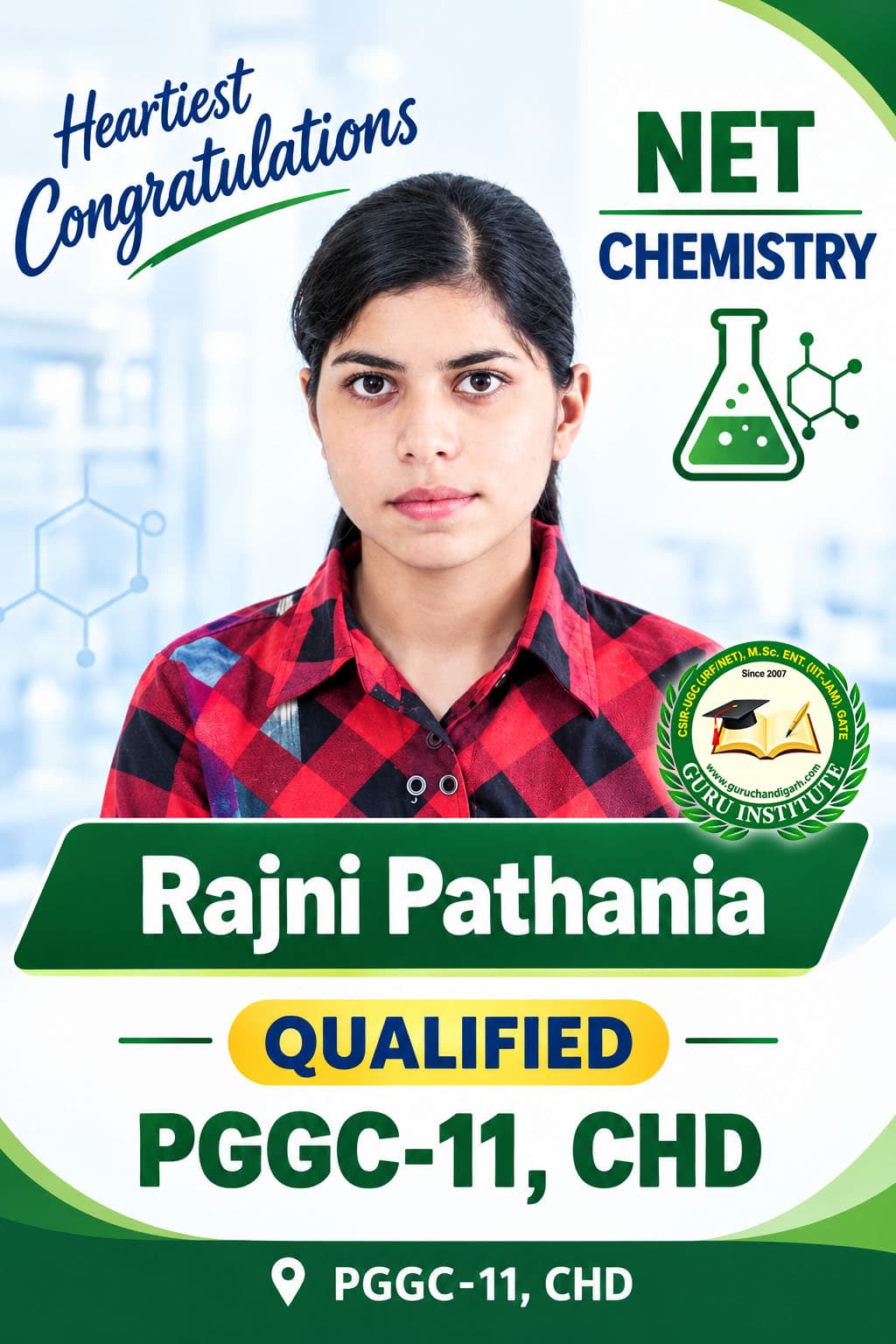
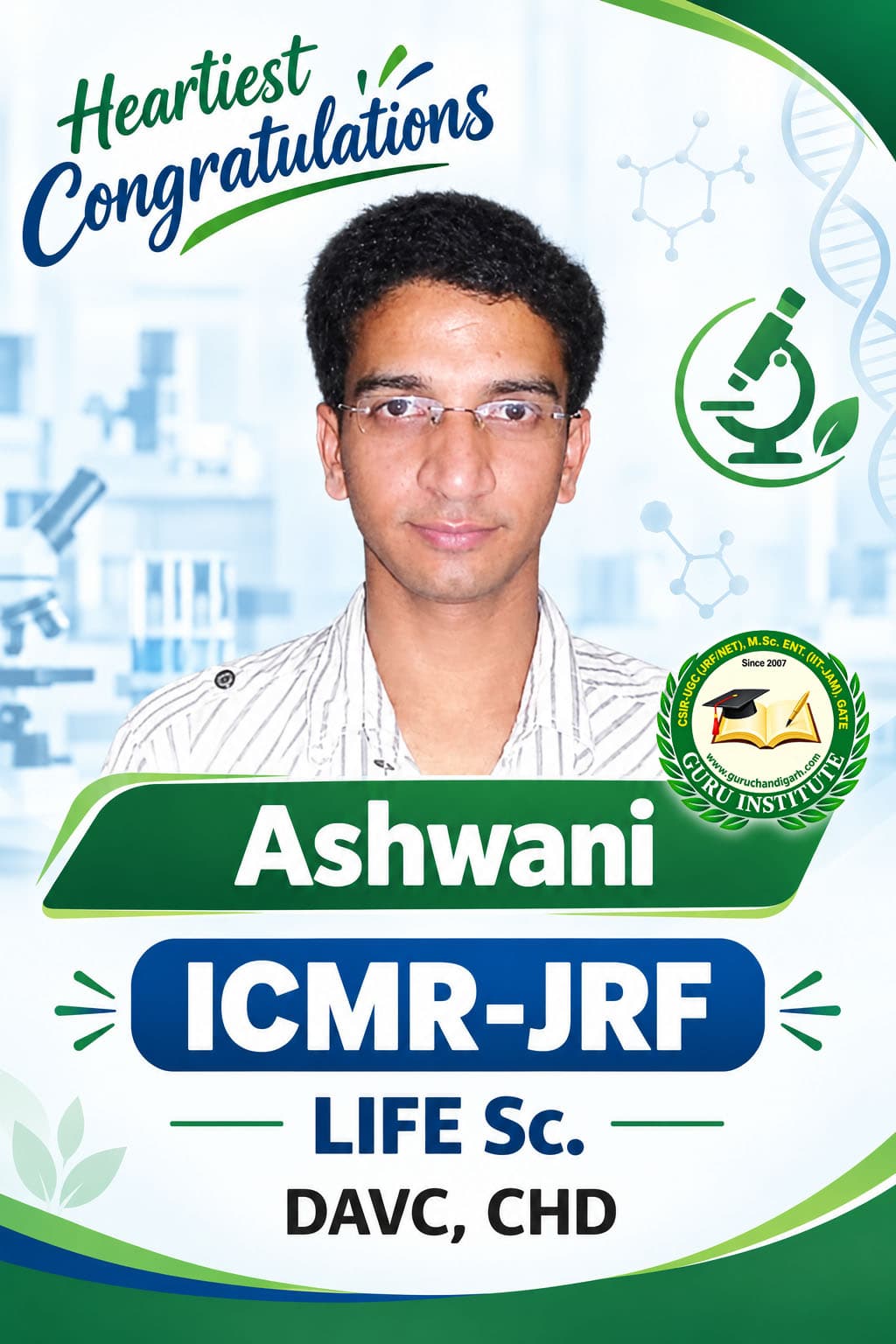
Results That Speak
Our Top Achievers & Selections in National Exams
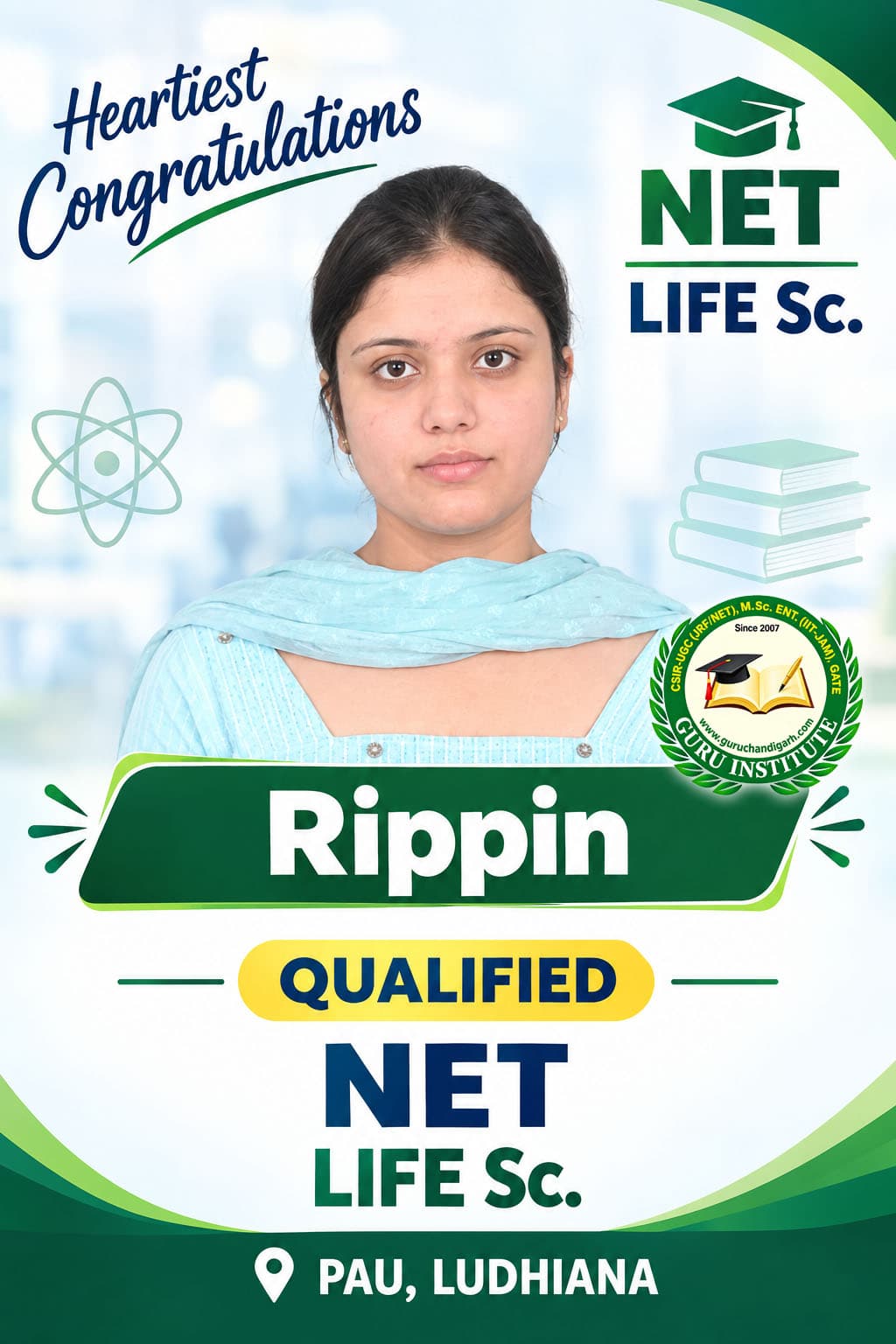
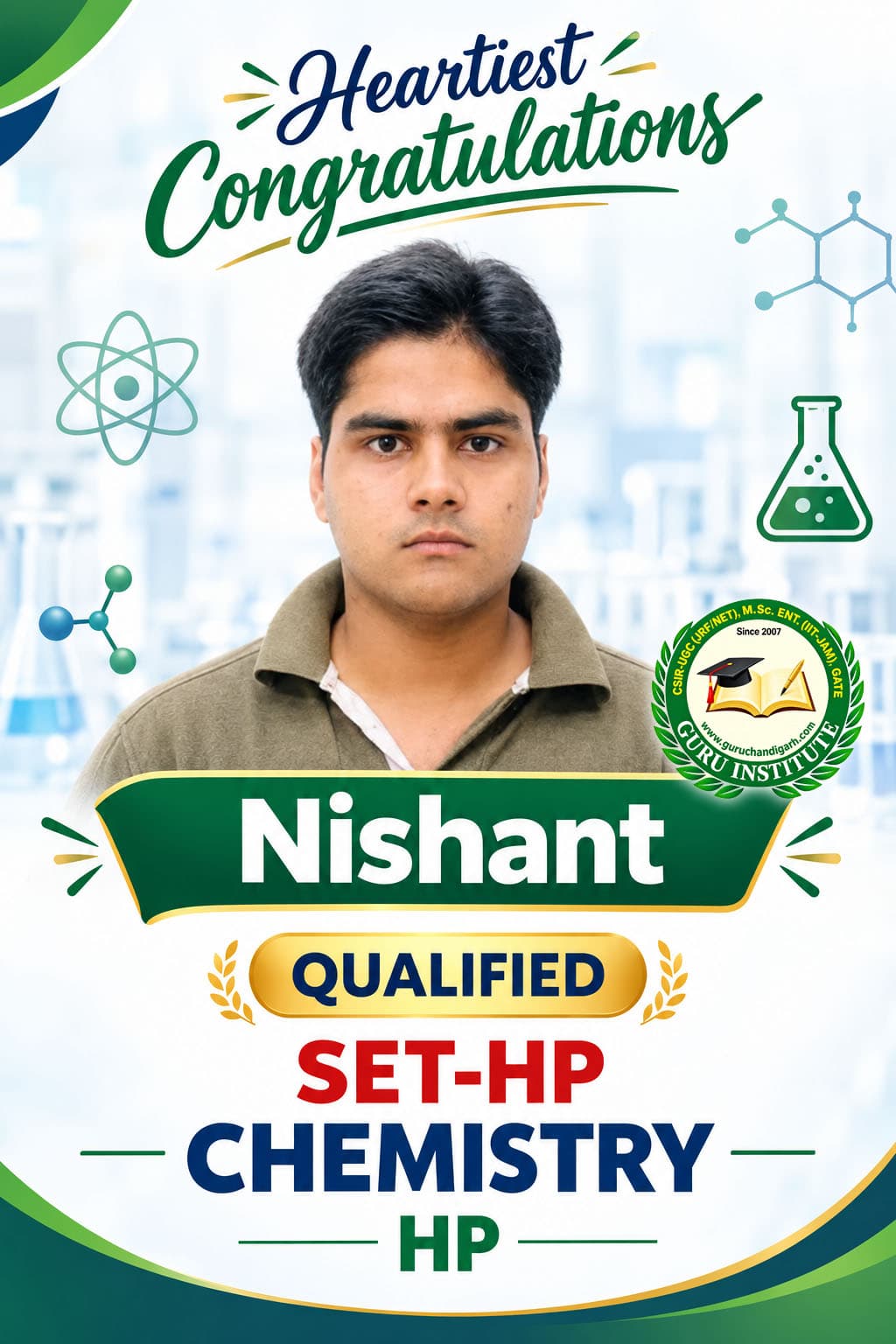
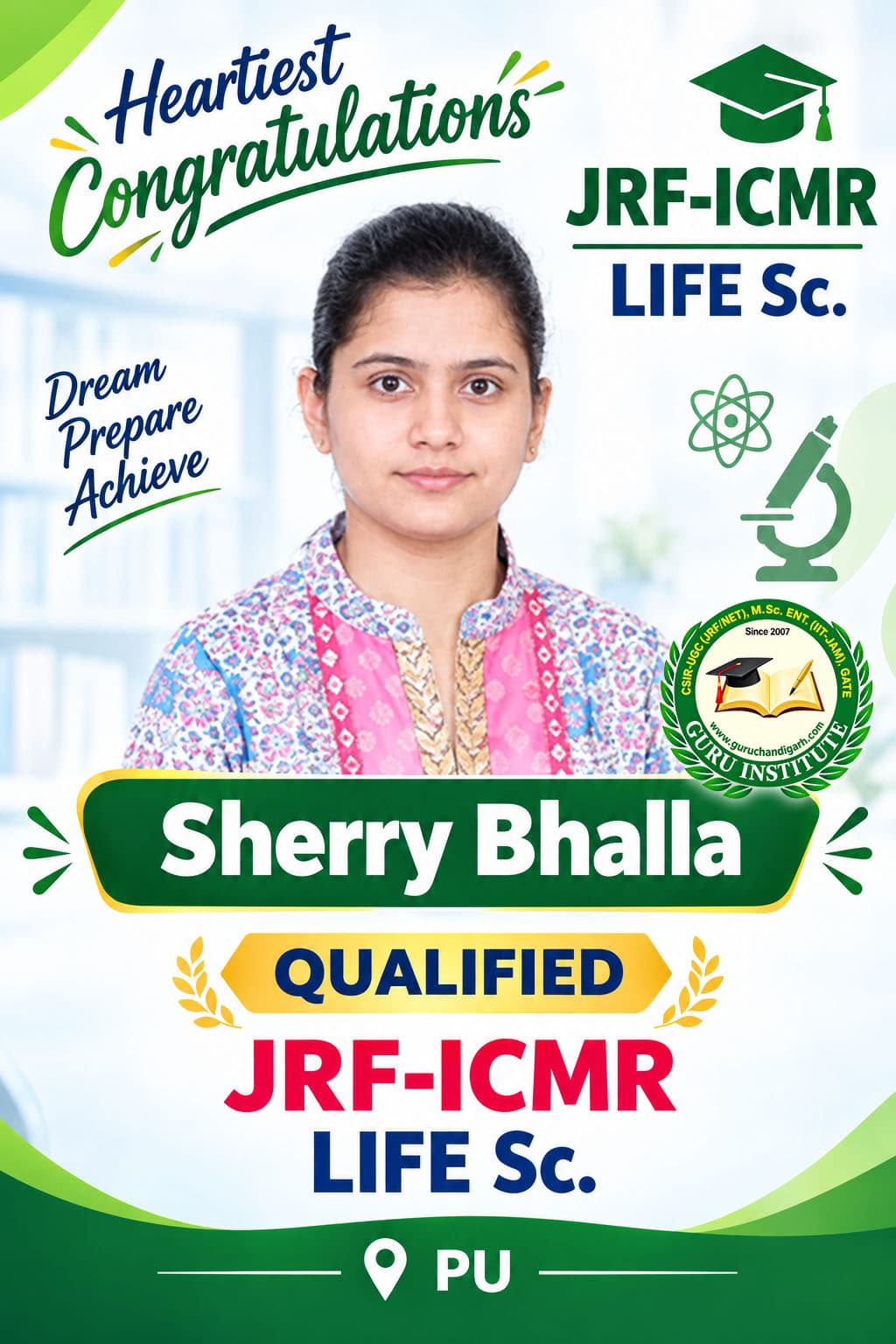
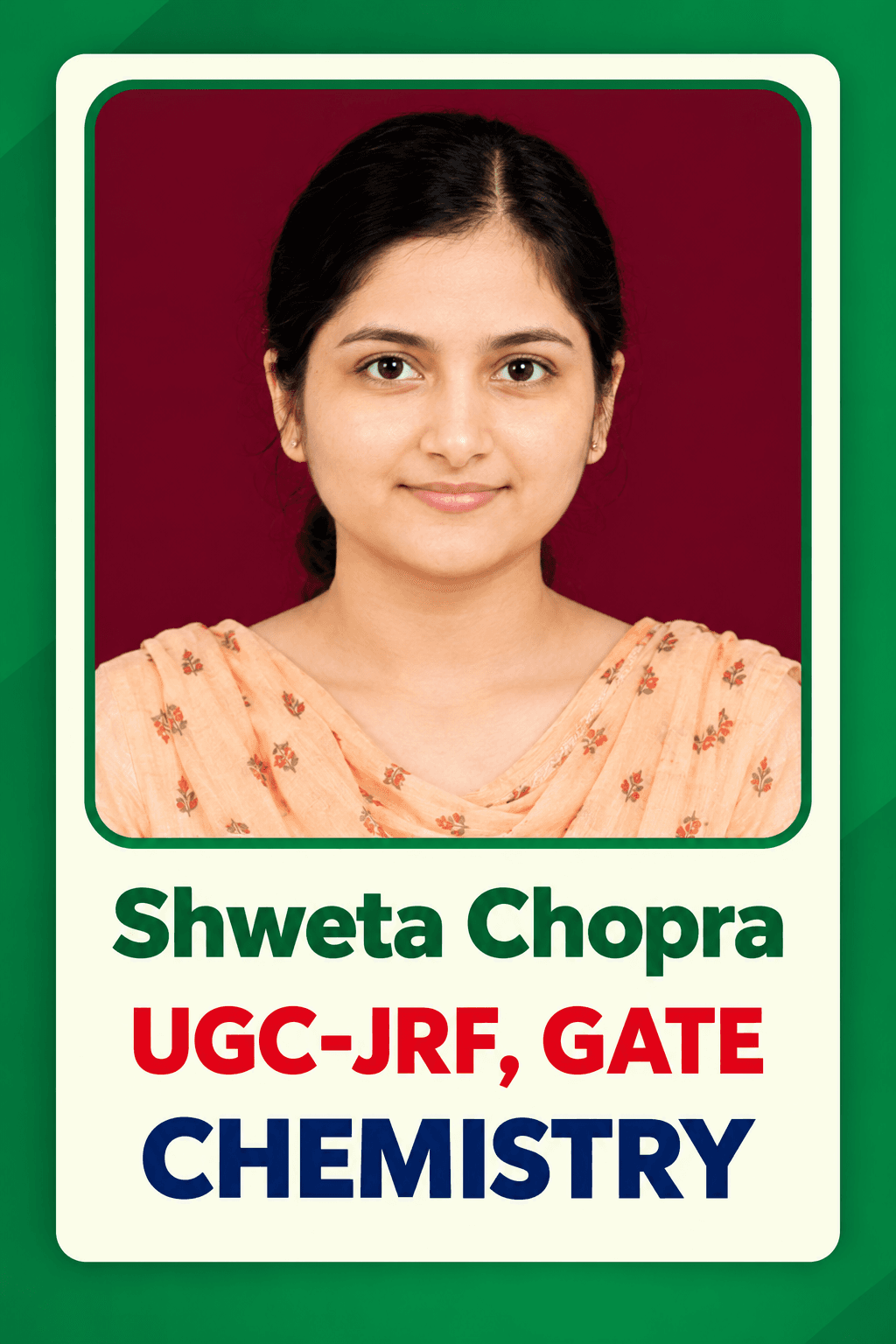
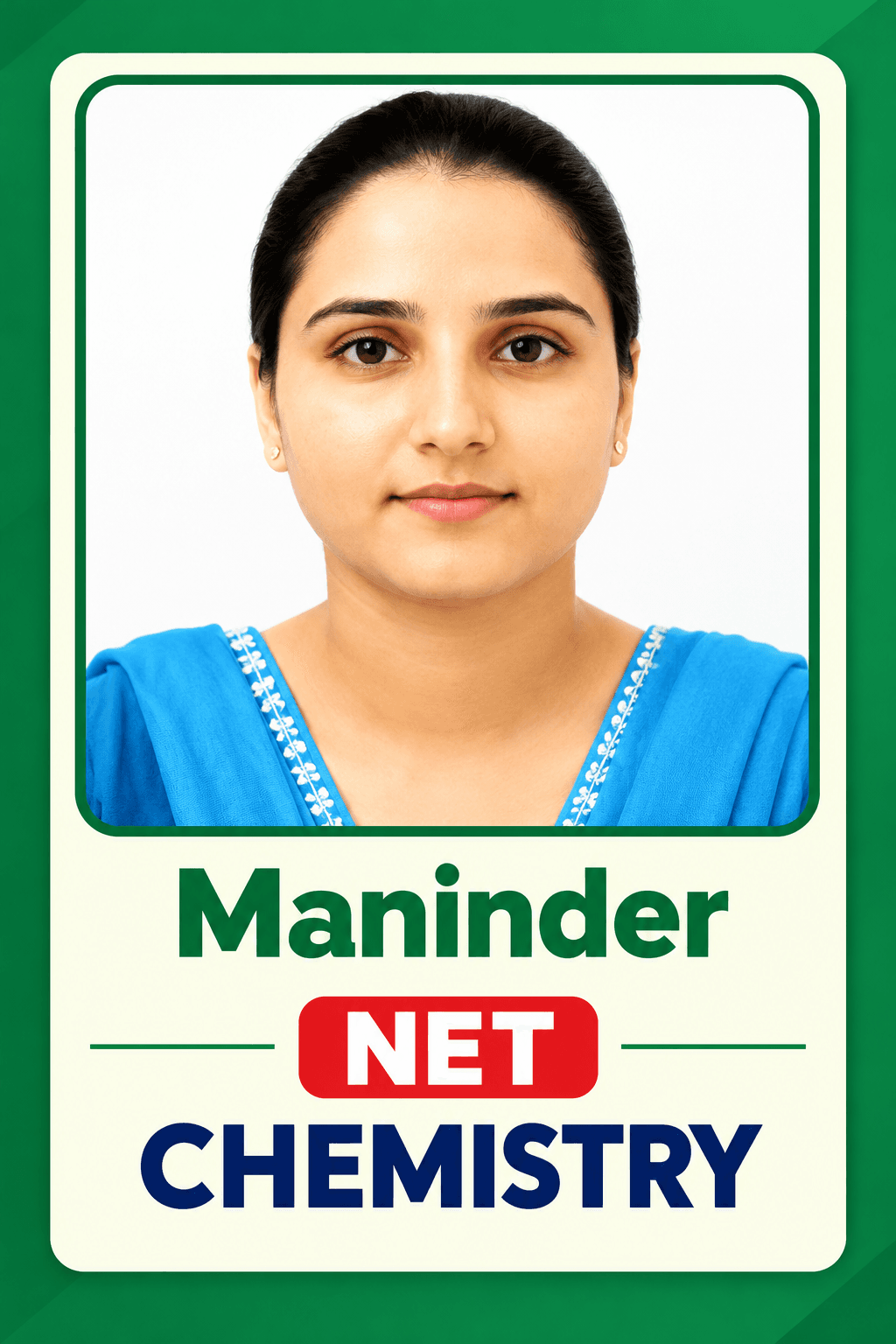
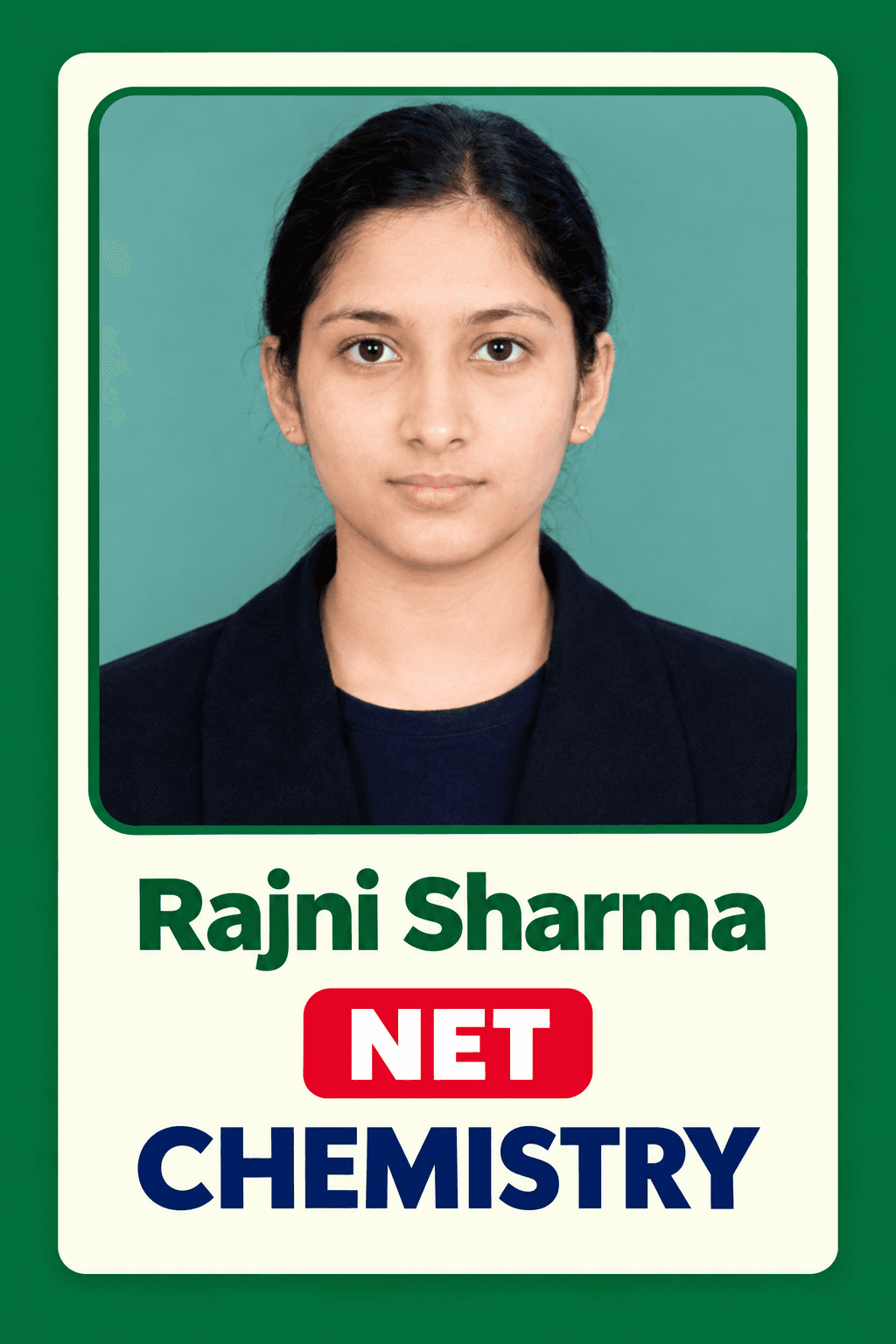

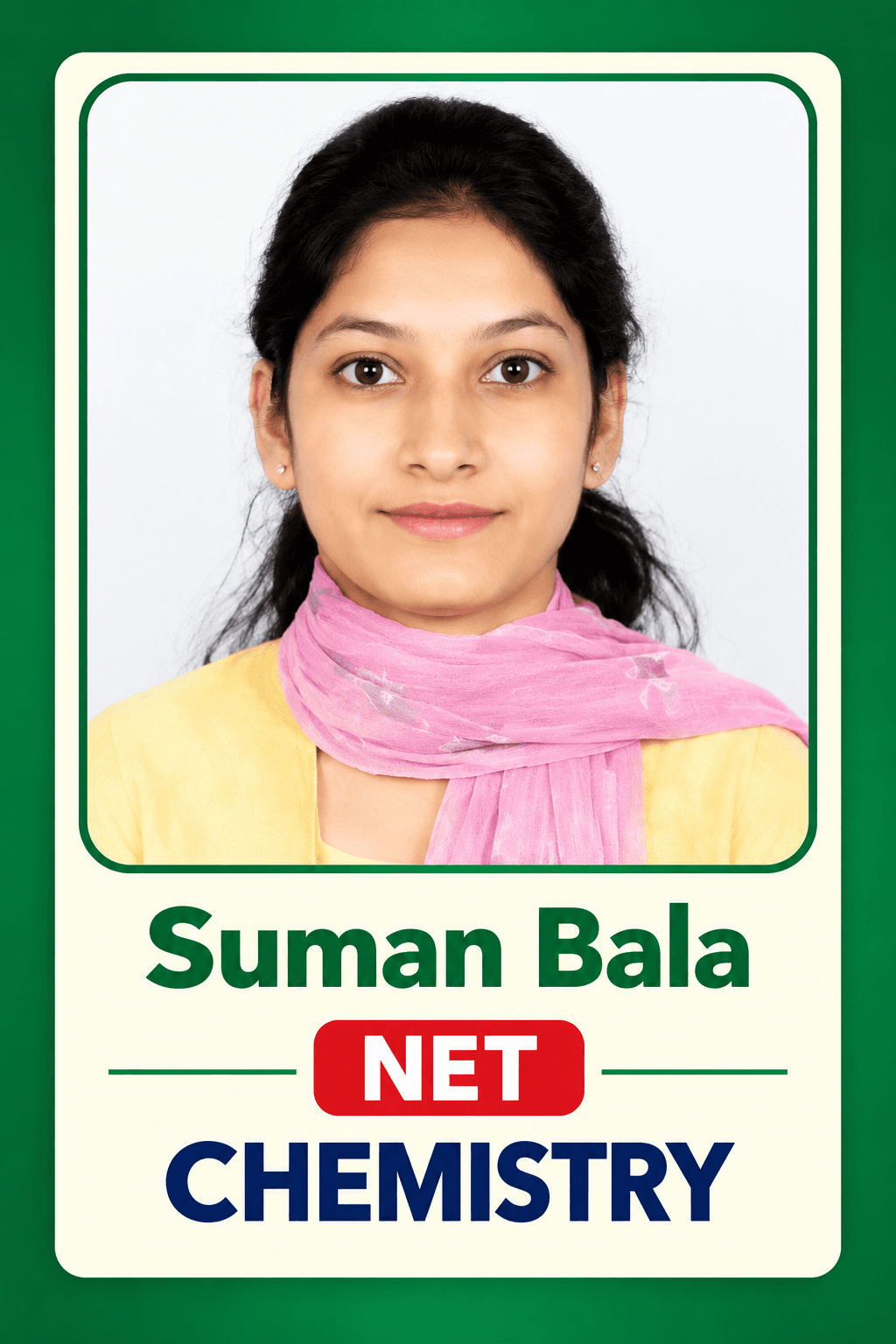
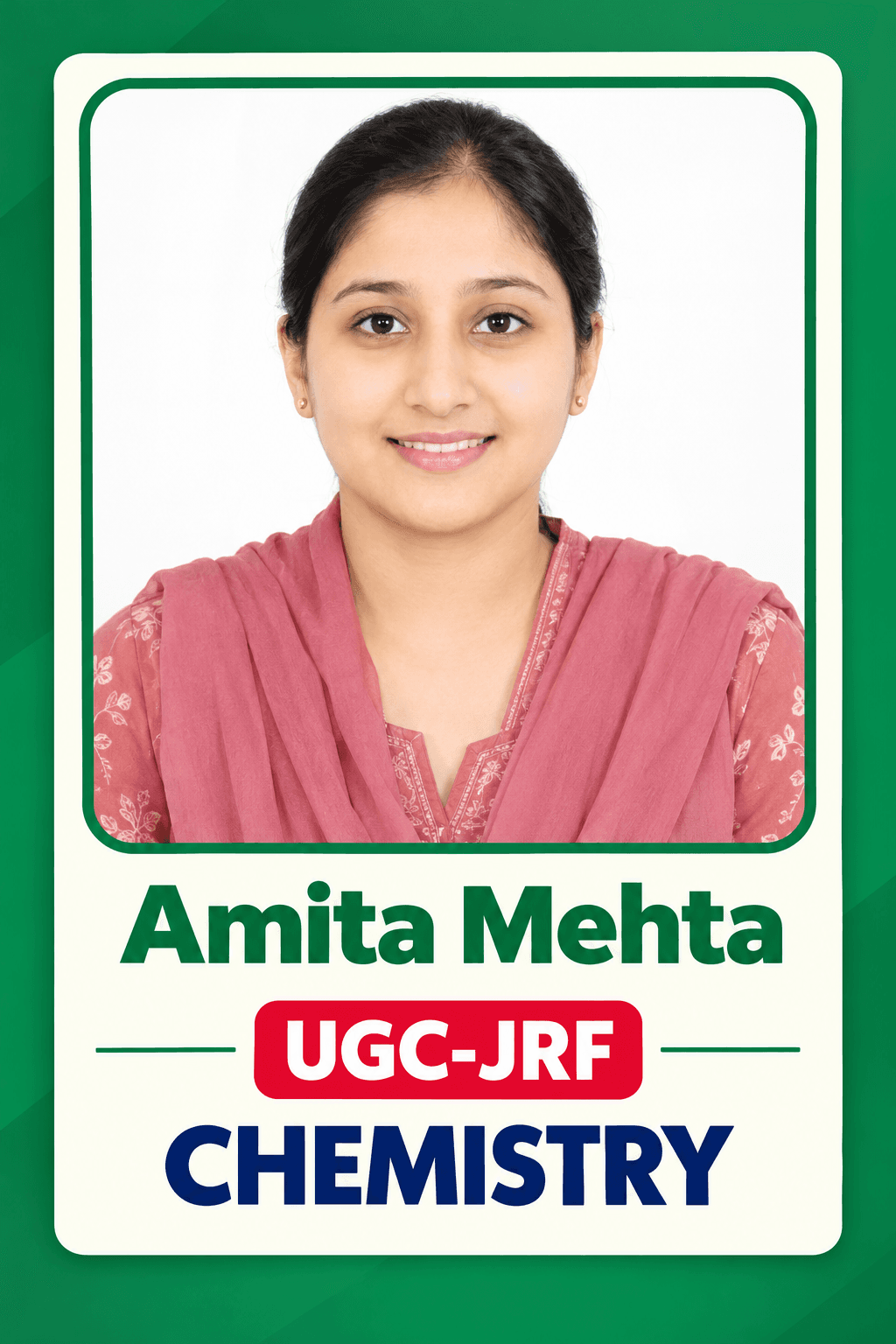
CSIR NET Chemical Sciences Syllabus
Free Library Facility
A free library facility is provided to promote education and awareness among the students.
Free Online Test Series
Free online test series are provided to train the students to appear in the online examination mode.
Regular Doubt Sessions
Regular doubt sessions are conducted by the faculty members to give comfortable learning to the students.
Ready to Crack CSIR NET Chemical Sciences Syllabus?
Get expert guidance, personalized mentorship and the best study resources for your dream career.
Our Expert Mentors & Faculty
Learn from North India's Best Educators
Subject matter experts with top national ranks, teaching classroom & online batches.

SANJANA MAM
LIFE SCIENCE
6+ Years Experience

AASHISH SIR
LIFE SCIENCE
12+ Years Experience

VAISHNAVI MAM
LIFE SCIENCE
4 Years Experience

AARTI MAM
LIFE SCIENCE
5+ Years Experience

KAVITA MAM
LIFE SCIENCE
5 Years Experience

SEJAL MAM
LIFE SCIENCE
4 Years Experience

ARADHNA MAM
CHEMICAL SCIENCE
4+ Years Experience

ROHIT SIR
CHEMICAL SCIENCE
6+ Years Experience

DEEPA MAM
CHEMICAL SCIENCE
8+ Years Experience

MOHIT SIR
PHYSICAL SCIENCE
5+ Years Experience

DIXIT SIR
PHYSICAL SCIENCE
7+ Years Experience

PANKHUDI MAM
PHYSICAL SCIENCE
4+ Years Experience

SHIVANGI MAM
PHYSICAL SCIENCE
6 Years Experience

SANJEEV SIR
MATHEMATICAL SCIENCE
5+ Years Experience

KAPOOR SIR
PART A
10+ Years Experience

VIVEK SIR
PART A
8 Years Experience
Enquire about the next batch
Tell us how you want to prepare. Our team can guide you on course format, timings and current fees.
Let's plan your preparation.
Connect with Guru Institute for classroom and online course information.
CALL US:
VISIT THE CENTRE
SCO-113, 1st Floor, Sector 34A, Chandigarh 160022
Serving learners in Chandigarh, Mohali, Panchkula and beyond through online options.
Request course details
Fill in the details below to prepare an enquiry message.
📍Find Us in Chandigarh
Our Location
SCO-113, 1st Floor, Sector 34A, Chandigarh - 160022
Google Reviews
4.9
850+ Google Reviews
Get Directions
Open Google MapsSTAY CONNECTED
Join our learning community
Free lectures, exam alerts, results and updates from Guru Institute — on the platform you prefer.